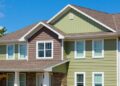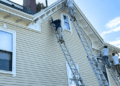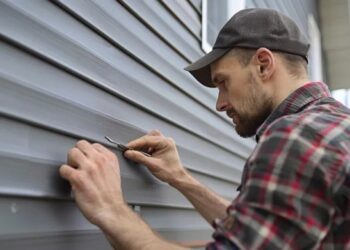

Vinyl siding is a popular choice for home exteriors, offering a durable and cost-effective solution. When it comes to homes with asbestos shingles, the decision to install vinyl siding can be complicated by health concerns, additional preparation requirements, and overall cost.This article aims to unravel the complexities of installing vinyl siding over asbestos shingles, providing a detailed look at the factors that influence cost, the installation process, and maintenance considerations.Before making a decision, it is essential to understand the potential hazards of asbestos shingles as well as the steps required to prepare the surface, install the siding, and maintain the finished product. By exploring each of these aspects in detail, homeowners can make informed decisions and plan effectively for their vinyl siding installation project.
Prices for labor and materials vary by region, with more expensive areas having higher installation costs.
Asbestos Shingles
Asbestos shingles, widely used in the past due to their fire-resistant and insulating properties, are now considered hazardous. They pose serious health risks, such as lung cancer, asbestosis, and mesothelioma, if inhaled or disturbed during renovation activities. It's important to exercise extreme caution while handling asbestos shingles, as their fibers can become airborne and cause severe respiratory issues.Discuss the dangers of asbestos shingles
Asbestos shingles pose significant health risks due to the release of tiny fibers when damaged or disturbed. These fibers can be inhaled and become trapped in the lungs, resulting in several diseases:- Asbestosis, a chronic lung ailment that causes scarring in the lungs, resulting in difficulty breathing;
- Lung cancer, caused by long-term exposure to asbestos; and
- Mesothelioma, a rare form of cancer that affects the lining of the lungs, heart, or abdomen.
Elaborate on the process of identifying asbestos shingles
Identifying asbestos shingles is a crucial initial step:- Check the age of the home, as most homes constructed before the 1980s are likely to have asbestos shingles;
- Observe the shingles' appearance: rough, brittle, or easily crumbled asbestos shingles are more likely to release fibers;
- Inspect the underside of the shingles, if possible, for a woven or paper-like texture;
- Consult a professional asbestos inspector or abatement contractor for a comprehensive and definitive assessment.
Share safety measures to take when handling asbestos shingles
When handling asbestos shingles, follow strict safety protocols:- Keep the shingles wet to reduce the probability of airborne fibers;
- Use personal protective equipment (PPE), such as respirators, disposable coveralls, gloves, and eye protection;
- Minimize the creation of dust or debris;
- Avoid sanding, scraping, breaking, or sawing asbestos materials;
- Never use power tools or high-pressure water;
- Dispose of asbestos materials according to local regulations, typically in double-wrapped, labeled bags.
Preparing the Surface
Installing vinyl siding over asbestos shingles involves a critical step: preparing the surface. Proper surface preparation ensures a secure and long-lasting installation. We've broken down the process into three s: cleaning and drying, repairing damaged shingles, and removing protrusions.Cleaning and Drying
Before installing vinyl siding, clean the asbestos shingles thoroughly to remove dirt, mildew, and other contaminants. Use a mild detergent, a long-handled brush, and a garden hose. Avoid power washers, which can damage the shingles. Rinse from top to bottom to prevent water from seeping under the shingles.After cleaning, allow the shingles to dry completely.Drying usually takes 24 to 48 hours, depending on the weather conditions. Ensure the shingles are dry to prevent mold growth and to ensure proper adhesion of the vinyl siding."Prompt and thorough drying is crucial to prevent water damage and mold growth."
Repairing Damaged Shingles
Inspect the asbestos shingles for damage, such as cracks, breaks, or loose shingles. Repair these issues before installing the vinyl siding to ensure a smooth and secure installation. Use a specialized asbestos-safe adhesive or epoxy to repair cracks and breaks.For loose or damaged shingles, replace them with new ones, following local regulations for asbestos disposal."Skipping the repair step may lead to water damage, mold, and potential asbestos exposure."
Removing Protrusions
Remove any protrusions, such as pipes, vents, or antennas, from the asbestos shingles. These protrusions can interfere with the vinyl siding installation and may cause damage over time. Use a sealant or flashing to cover the holes left by the protrusions.This will prevent water damage and ensure the vinyl siding lies flat against the surface."Leaving protrusions in place may result in vinyl siding damage and reduced energy efficiency."
Installing Vinyl Siding
Installing vinyl siding over asbestos shingles is a great way to modernize the appearance of a home while also providing added protection from the elements. With a few extra steps and considerations, the installation process is similar to that of installing vinyl siding over other materials like wood or aluminum siding.Preparing the Asbestos Shingles
Before installing the vinyl siding, the asbestos shingles must be properly prepared. This involves:- Inspecting the shingles for signs of damage or wear
- Repairing any damaged areas
- Cleaning the shingles with a detergent solution and rinsing thoroughly
- Applying a polyurethane foam insulation over the shingles for added insulation and to create a smoother surface for the vinyl siding to adhere to
- Allowing the insulation to dry completely
Installing the Vinyl Siding
The installation of the vinyl siding involves the following steps:- Install a starter strip along the bottom edge of the wall, nailing it into the studs or sheathing. The starter strip should be level and should extend past the ends of the wall.
- Cut the first piece of siding to the appropriate length, adding an extra 1/4 inch for expansion.
- Slide the bottom edge of the siding under the starter strip, allowing the top edge to overlap the starter strip by 1/2 inch.
- Nail the siding into place using vinyl-coated nails, spacing them 16 inches apart. The nails should be long enough to penetrate the sheathing but not so long that they protrude through the other side.
- Install the remaining pieces of siding, overlapping each piece by 1 inch.
- At the corners, cut the siding to fit and install corner posts.
- Install J-channels around windows and doors.
- Install soffit and fascia pieces to complete the installation.
Comparison with Other Materials
Compared to installing vinyl siding over other materials like wood or aluminum, the process of installing vinyl siding over asbestos shingles is relatively similar. However, the added step of applying a polyurethane foam insulation over the shingles may add some additional time and cost.It's important to take the necessary precautions when working with asbestos, and to properly dispose of any asbestos-containing materials.Vinyl siding offers several advantages over other materials, including its low maintenance and durability. It is also more energy efficient than other materials, due to its insulating properties.Cost Analysis
Installing vinyl siding over asbestos shingles involves costs related to labor, materials, and other factors that can affect the overall price. In this section, we will discuss the factors affecting the cost, breakdown of the costs, and compare it with other siding options.Factors Affecting Cost
The cost of installing vinyl siding over asbestos shingles is influenced by several factors:Size of the houseLarger houses will require more siding and labor, increasing the overall cost.Complexity of the jobHomes with unusual shapes, multiple stories, or intricate designs will take longer to side, driving up labor costs.Removal of asbestosIf the asbestos shingles are not in good condition or if local regulations require their removal, additional costs will be incurred.InsulationAdding insulation during the installation can increase the cost but improve energy efficiency.LocationBreakdown of Costs
Below is a breakdown of the costs involved, based on a national average for a single-story, 1,500-square-foot home:Materials$7,500$10,000Includes siding, insulation, and underlayment.Asbestos Removal (if needed)$1,500
$3,000Cost depends on the size of the house and the condition of the asbestos shingles.Labor$3,500
$5,000Includes removal of existing shingles, installation of new materials, and cleanup.Disposal$200
$500Covers costs of transporting and disposing of old materials.Permits$200
$500fees for obtaining building permits.
Comparison with Other Siding Options
Compared to other siding options, vinyl over asbestos shingles can be a cost-effective choice:Wood sidingMore expensive than vinyl, with higher maintenance costs.Fiber cement sidingSimilar cost to vinyl, but requires professional installation and maintenance.Brick or stoneMuch more expensive and requires specialized labor.Aluminum sidingSimilar cost to vinyl, but less durable and less visually appealing.Vinyl siding over asbestos shingles often offers the best balance of cost, durability, and ease of installation.