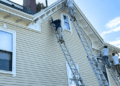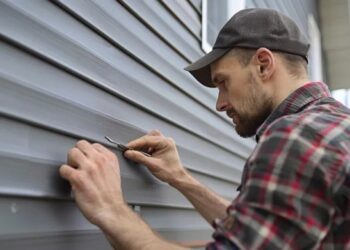

Welcome to our comprehensive guide on repainting siding! A well-maintained and freshly painted home exterior not only enhances your property's curb appeal but also protects it from the elements. In this article, we will delve into the reasons, benefits, and techniques of repainting siding, ensuring you have all the necessary information to breathe new life into your home's exterior.First, let's explore the need for repainting siding, focusing on the telltale signs of wear and tear, as well as the numerous advantages of this home improvement project. Armed with this knowledge, you will understand why maintaining and repainting your siding is crucial for your home's overall well-being.
.
Understanding the Need for Repainting Siding
Exterior siding is one of the most noticeable features of your home. It takes a beating from the elements year-round and will eventually start to show signs of aging and wear. Choosing to repaint your siding can offer numerous benefits, including added protection against the weather and improved curb appeal.Reasons for Repainting Siding
There are several reasons why you may need to repaint your siding. These include:- Fading. Over time, exposure to sunlight will cause your siding's paint to fade, and the colors to lose their vibrance. Touching up the paint or repainting the entire surface can help keep your home looking bright and fresh.
- Cracking and peeling. When your siding's paint begins to crack and peel, it exposes the underlying material, making it susceptible to water damage, rot, mold, and mildew. A new coat of paint can prevent further damage and keep your siding in good condition.
- Matching new additions. If you have recently added a new section to your home or replaced a portion of your siding, repainting the entire exterior can ensure a uniform appearance.
Signs of Wear and Tear
Here are some signs that your siding may need repainting:Chalky residue on your handsWhen you touch your siding and it leaves a chalky residue on your skin, this is a sign that the paint is beginning to degrade and fail.Fading or uneven colorAs paint fades, it may leave certain areas of your siding looking washed out or uneven. Repainting the siding will help even out the color.Cracks or blistersThese indicate that the paint layer or the siding itself is no longer able to protect itself from the elements.Benefits of Repainting Siding
Repainting siding offers several benefits, such as:Improved curb appealRepainting can make your home look fresh, updated, and well-maintained.Protection against the elementsA good quality paint job can provide a barrier of protection against moisture, rot, mold, mildew, and the sun's UV rays, ultimately prolonging the lifespan of your siding.Cost-effective alternative to replacementRepainting siding can be a less expensive alternative to replacing the entire exterior of your home, saving you money.Preparing for Repainting Siding
Preparing your siding for repainting is a crucial step to ensure a successful and long-lasting paint job. Proper preparation not only enhances the paint's adhesion but also extends the lifespan of the paint and protects the siding material from damage.Cleaning the Siding
Cleaning is the first and most important step in preparing your siding for repainting. Over time, siding accumulates dirt, mildew, and mold, which must be removed before painting. Use a pressure washer or a garden hose with a spray nozzle to remove loose dirt and debris.For tougher stains, use a mixture of cleaning solutions such as trisodium phosphate (TSP) or a mild detergent with warm water. Rinse the siding thoroughly and allow it to dry completely before moving on to the next step.Repairing Damaged Siding
Inspect your siding for damage such as cracks, holes, or peeling paint. Repair any damage before painting to ensure a smooth, even finish. For small cracks and holes, use a exterior-grade, paintable caulk to fill in the gaps. For larger damages, replace the affected siding panels.Choosing the Right Paint
Choosing the right paint for your siding is crucial for a successful paint job. Select a high-quality, exterior-grade paint specifically designed for the siding material, whether it's wood, vinyl, aluminum, or fiber cement. Consider the climate and weather conditions in your area when choosing a paint.For instance, if you live in a humid or rainy region, select a paint with a higher gloss level to resist moisture. Consult with a paint professional or the siding manufacturer for specific paint recommendations.Gathering Necessary Tools and Materials
Assemble the necessary tools and materials to ensure a smooth and efficient repainting process. Here's a list of essential items:- Pressure washer or garden hose with a spray nozzle
- Cleaning solutions (TSP or mild detergent)
- Paint scraper or wire brush
- Exterior-grade, paintable caulk
- Paintbrushes, rollers, and trays
- High-quality, exterior-grade paint
- Painter's tape and drop cloths
Proper preparation is the foundation for a successful and long-lasting paint job. Invest time and effort into cleaning, repairing, and selecting the right paint and materials to ensure your siding looks great and withstands the elements for years to come.
Repainting Techniques for Siding
Painting siding is a skillful process that requires knowledge of appropriate techniques to ensure a smooth and long-lasting finish. Applying paint to different types of siding such as vinyl, wood, and aluminum is not a one-size-fits-all process. This article discusses the best techniques for each type of siding and compares the benefits of using brushes, rollers, or sprayersBest Techniques for Different Siding Types
-
Vinyl siding:
Use a paint roller with a minimum nap of 1/2 inch for smooth coverage. Avoid applying too much pressure, as that might lead to paint buildup. A synthetic brush can be used for cutting in edges and detailing. -
Wood siding:
Start with a wire brush or power washer to remove loose paint and dirt from the surface. Use a high-quality latex or acrylic paint with a flat or satin finish, and apply it with a medium-nap (1/4 to 1/2 inch) roller or an angled synthetic brush for better coverage. -
Aluminum siding:
Clean the surface with a mild detergent and water solution, followed by a rinse. Apply a rust-inhibiting metal primer before painting with a latex or acrylic paint suited for metal surfaces. Use a foam roller or a synthetic brush for best results.
Benefits of Brushes, Rollers, and Sprayers
Each painting tool offers benefits depending on the painter's preference and the specific needs of the siding project:-
Brushes:
They offer precision for cutting in edges and detailing. Brushes are ideal for small projects, and for cutting around obstacles and tight corners. -
Rollers:
Rollers provide fast and smooth coverage, and are practical for larger areas of siding. They require less effort compared to using brushes, reducing the overall time for the project. -
Sprayers:
Sprayers offer the most efficient approach for large surfaces. They allow for even, fast application and minimal overspray, however, they require more preparation to prevent potential paint runs and masking for adjacent areas.
Process of Painting Siding: Coverage and Drying Times
Preparation is key when painting siding. Start by choosing the correct paint based on the type of siding, weather conditions, and local recommendations. Follow these steps for a flawless paint application:- Scrape off loose or peeling paint using a scraper.
- Use a power washer or wire brush to remove dirt and mildew
ensure to allow sufficient drying time (up to 2-3 days).
- Apply a high-quality primer with a roller, sprayer or brush, ensuring an even coating over the entire surface.
- Once the primer is dry, start applying the paint using a brush, roller, or sprayer while maintaining the recommended coverage rate from the paint manufacturer.
- Avoid second coats before the initial coat is thoroughly dry (usually 4-6 hours depending on temperature and humidity).