
As vinyl exterior house takes center stage, this opening passage beckons readers into a world crafted with good knowledge, ensuring a reading experience that is both absorbing and distinctly original.Vinyl exterior house has become a popular choice for homeowners looking for durability, versatility, and aesthetic appeal. In this guide, we will delve into the various aspects of vinyl siding, from its installation process to maintenance and cost considerations. Let's explore the world of vinyl exterior house together!
Introduction to Vinyl Exterior House
Vinyl exterior house refers to the use of vinyl siding to cover the exterior walls of a house. Vinyl siding is a type of plastic exterior cladding that is popular due to its durability, low maintenance requirements, and versatility in design.Benefits of Vinyl Exterior House
- Easy to Maintain: Vinyl siding is easy to clean and requires minimal maintenance compared to other materials like wood or brick.
- Durable: Vinyl is resistant to rot, insect damage, and harsh weather conditions, making it a long-lasting option for house exteriors.
- Versatile Design Options: Vinyl siding comes in a wide range of colors and styles, allowing homeowners to customize the look of their homes.
- Cost-Effective: Vinyl siding is relatively affordable compared to other materials, making it a cost-effective choice for homeowners on a budget.
Popularity of Vinyl Siding
Vinyl siding has become increasingly popular in modern construction due to its combination of durability, low maintenance, and aesthetic appeal. Many homeowners and builders choose vinyl siding for its practicality and ability to enhance the overall look of a house.Types of Vinyl Siding
When it comes to vinyl siding options for your house exterior, there are several types to choose from, each with its own set of characteristics, colors, and textures.Insulated Vinyl Siding
Insulated vinyl siding is designed to provide better energy efficiency for your home. It comes with a layer of foam insulation attached to the back of the panels, helping to regulate indoor temperatures and reduce energy costs.Traditional Vinyl Siding
Traditional vinyl siding is the most common type, known for its durability and low maintenance. It is available in a wide range of colors and styles, making it a versatile option for any home exterior.Decorative Vinyl Siding
Decorative vinyl siding offers unique designs and textures to enhance the aesthetic appeal of your home. From scalloped edges to cedar shake patterns, decorative vinyl siding can add a touch of character and charm to your house.Overall, vinyl siding comes in a variety of colors, ranging from classic neutrals to bold and vibrant hues.Textures can also vary, including smooth finishes, wood-like grains, and even stone or brick patterns. With so many options available, you can easily personalize your home's exterior to match your style and preferences.Installation Process
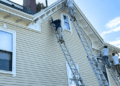
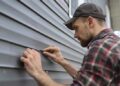
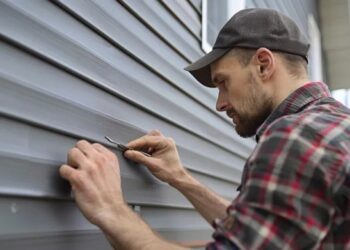
When it comes to installing vinyl siding on a house, there are several key steps involved to ensure a successful outcome. From prepping the surface to securing the final pieces, each stage plays a crucial role in the overall installation process.To begin the installation, you will need a set of tools and materials specifically designed for vinyl siding.These typically include a measuring tape, level, utility knife, chalk line, hammer, power saw, nail gun, and of course, the vinyl siding panels themselves. It is important to have all necessary tools and materials on hand before starting the installation to streamline the process and avoid delays.Preparation of the Surface
- Clean the exterior walls thoroughly to remove any dirt, debris, or existing paint.
- Inspect the walls for any damage or rot and make necessary repairs before proceeding.
- Apply a weather-resistant barrier or insulation to the walls to provide added protection and energy efficiency.
Installation of Vinyl Siding Panels
- Start by installing the starter strip at the base of the wall to ensure a secure foundation.
- Secure the first panel along the bottom edge and work your way up, overlapping each panel for a seamless finish.
- Use a nail gun to attach the panels to the wall, ensuring they are level and properly aligned.
- Cut panels as needed to fit corners, windows, and doors, using a power saw for precision.
Tip: Make sure to leave a small gap between the siding and the nail heads to allow for expansion and contraction with temperature changes.
Maintenance and Care
Proper maintenance and care of your vinyl exterior house siding is essential to ensure its longevity and keep your home looking its best. Regular upkeep can help prevent issues like fading or damage, ultimately saving you time and money in the long run.Cleaning Methods
- Regularly rinse your vinyl siding with a garden hose to remove dirt and debris.
- For tougher stains, mix a solution of water and mild soap or detergent, then scrub gently with a soft brush or cloth.
- Avoid using harsh chemicals or abrasive materials that could damage the vinyl surface.
- Consider using a pressure washer on a low setting for a more thorough cleaning, but be cautious not to apply too much pressure.
Addressing Fading or Damage
- Inspect your vinyl siding regularly for any signs of fading, cracking, or warping.
- If you notice any damage, address it promptly to prevent further deterioration.
- For minor fading, consider using a vinyl siding restorer to revive the color and shine.
- In cases of severe damage, it may be necessary to replace the affected panels to maintain the integrity of your exterior.